Define the decision before the algorithm.
Begin with the inspection requirement, acceptable variation and reference examples. Lighting, presentation, image quality and the decision threshold belong in the same conversation as software and data handling.
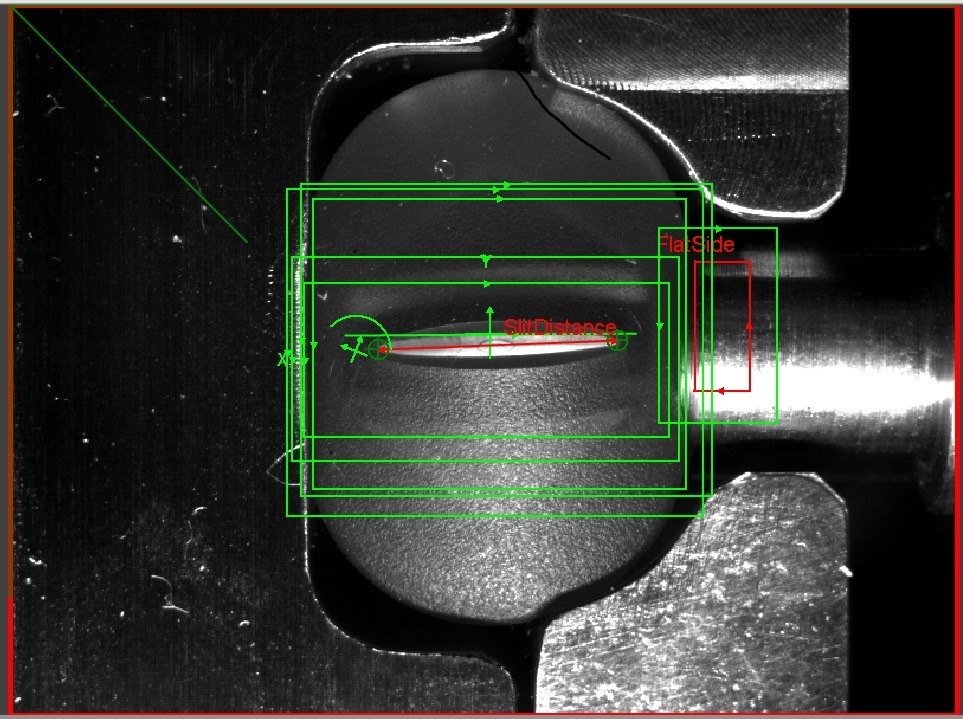
Scope the right work.
- Inspection requirement and defect definitions
- Image acquisition and result handling
- Part and process context for inspection results
- Review of rules-based and AI-assisted approaches
Technical scope
Acceptance is part of the inspection design.
An inspection result is only useful when the decision, reference material and handling of uncertain results have been defined.
| Area | Define together | Example evidence |
|---|---|---|
| Reference samples | Agree the range of parts and conditions that must be represented. | A labelled review set with documented inclusion and exclusion rules. |
| Decision handling | Distinguish pass, fail and uncertain results; agree the physical and information response. | Witnessed examples covering each decision path. |
| Evidence | Define which result, image and configuration details are needed for review. | An agreed record format and acceptance report outline. |
Useful review artefacts
- Inspection and defect definitions
- Sample and acceptance-test plan
- Result, image and exception-handling requirements
A planning framework, not a confirmed feature or compatibility list. Deliverables and acceptance criteria are agreed for the application.
Questions worth answering early.
- What examples represent acceptable and unacceptable parts?
- How will uncertain results and false rejects be handled?
- Which images and results should be retained, and for how long?
The starting point
A bounded inspection scope and acceptance approach. Any proposed AI model, performance target or validation requirement must be agreed for the application.